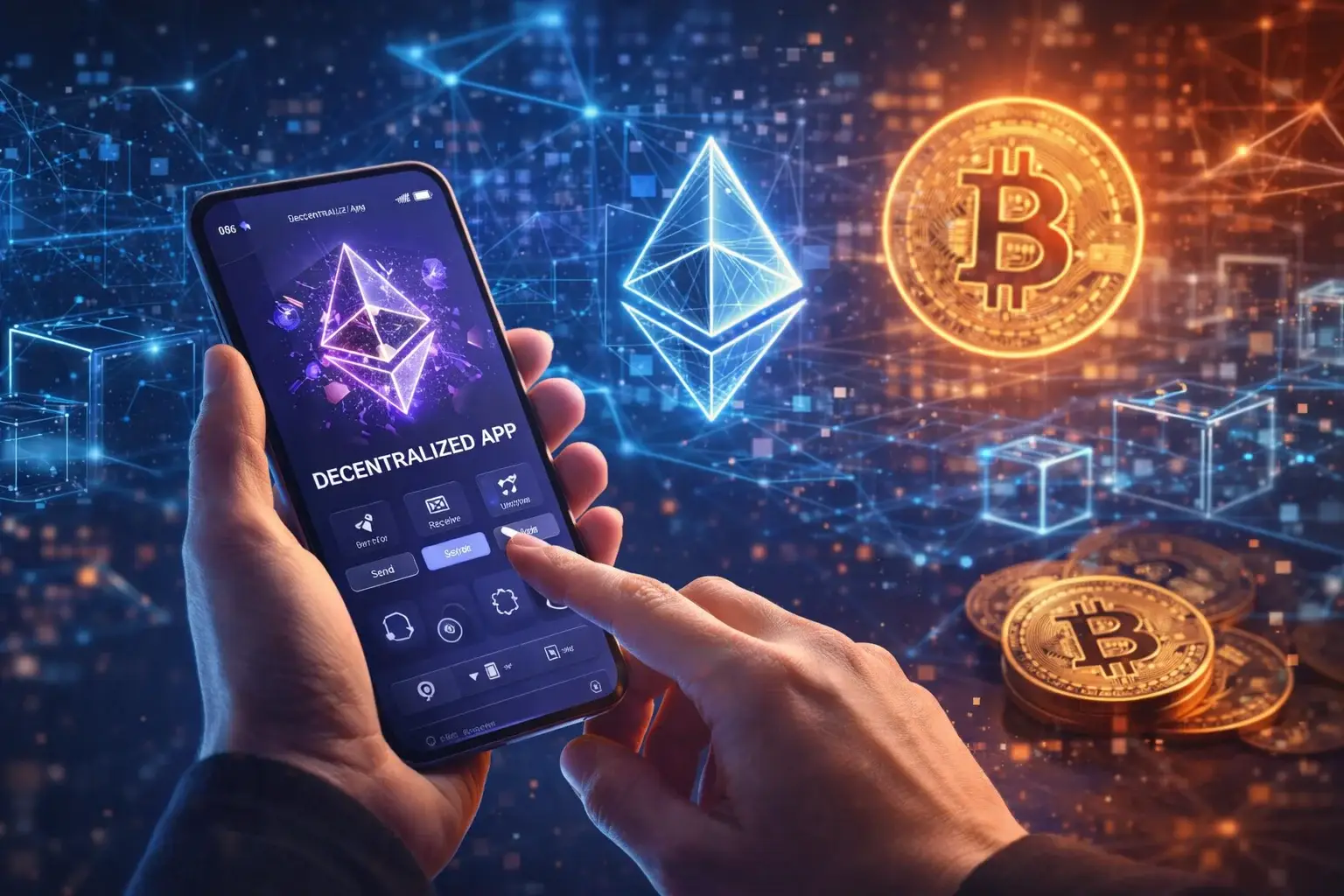
Transition to Decentralized Applications: The Future of Money in Your Hands
In recent years, the world has witnessed a radical shift in the way money and financial services are handled. Decentralized applications (Decentralized Applications – DApps) have emerged as a modern and more advanced alternative to traditional systems.
What Are Decentralized Applications?
Decentralized applications are platforms that operate on blockchain networks, meaning they do not rely on a single central authority for control or management.
Instead, operations are executed through a distributed network of users and smart contracts, ensuring transparency and security.
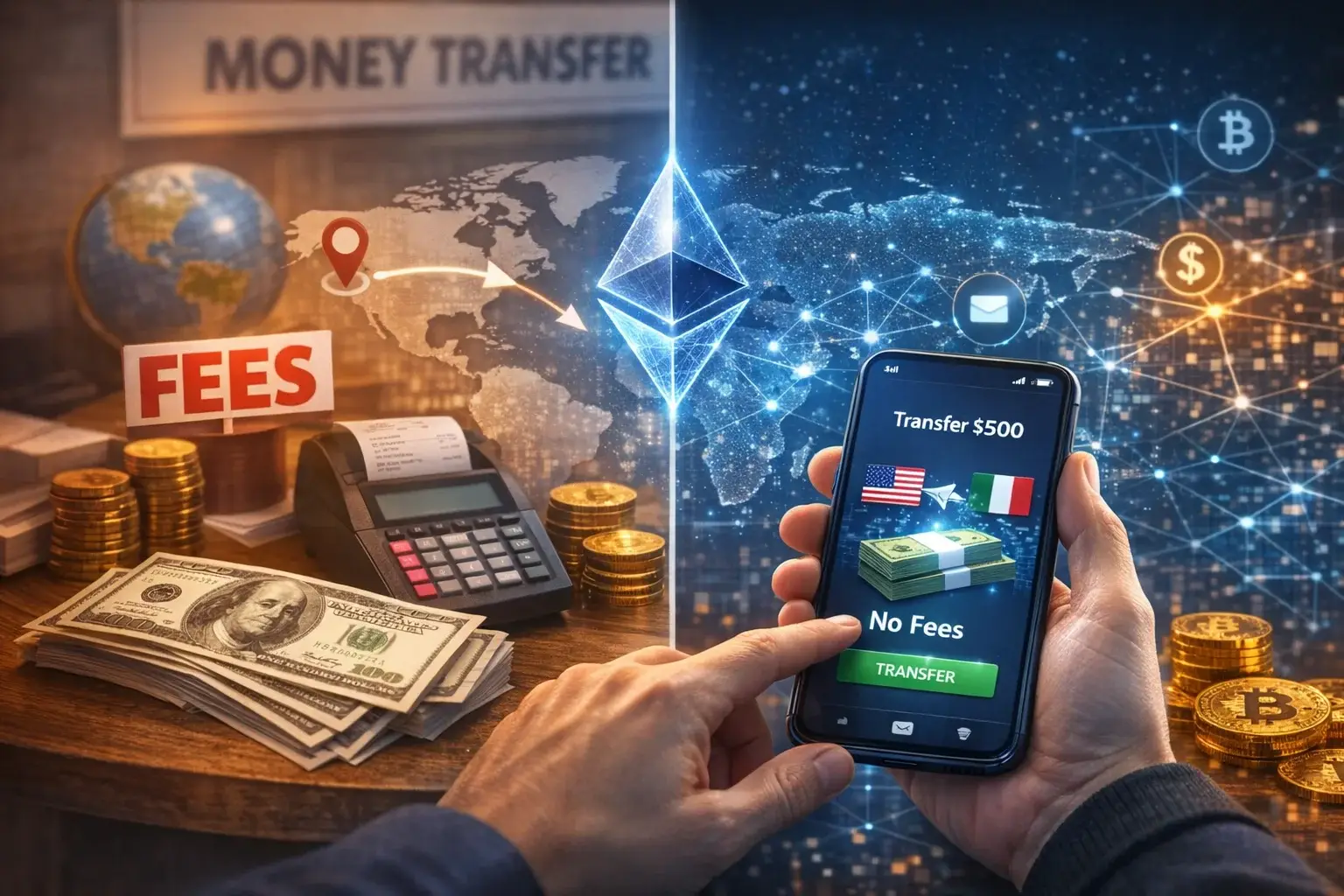
The Difference Between Traditional and Decentralized Systems
In traditional systems, such as banks:
- Your money is controlled by a central authority
- Transactions can be delayed or stopped
- High fees are often imposed
In decentralized systems:
- You have full control over your money
- Transactions occur directly between parties
- No intermediary controls the process
Why Is the World Moving Towards Decentralization?
Several key factors drive this shift:
Full Control Over Funds
The user is the sole owner of their assets, and no entity can freeze or control them without permission.
Security and Transparency
All transactions are recorded on the blockchain and can be verified, reducing the risk of fraud or manipulation.
Lower Costs
The absence of intermediaries significantly reduces fees compared to traditional banks.
Speed
Transfers are completed in minutes instead of days, especially for international transactions.
The Role of Decentralized Applications in Financial Transfers
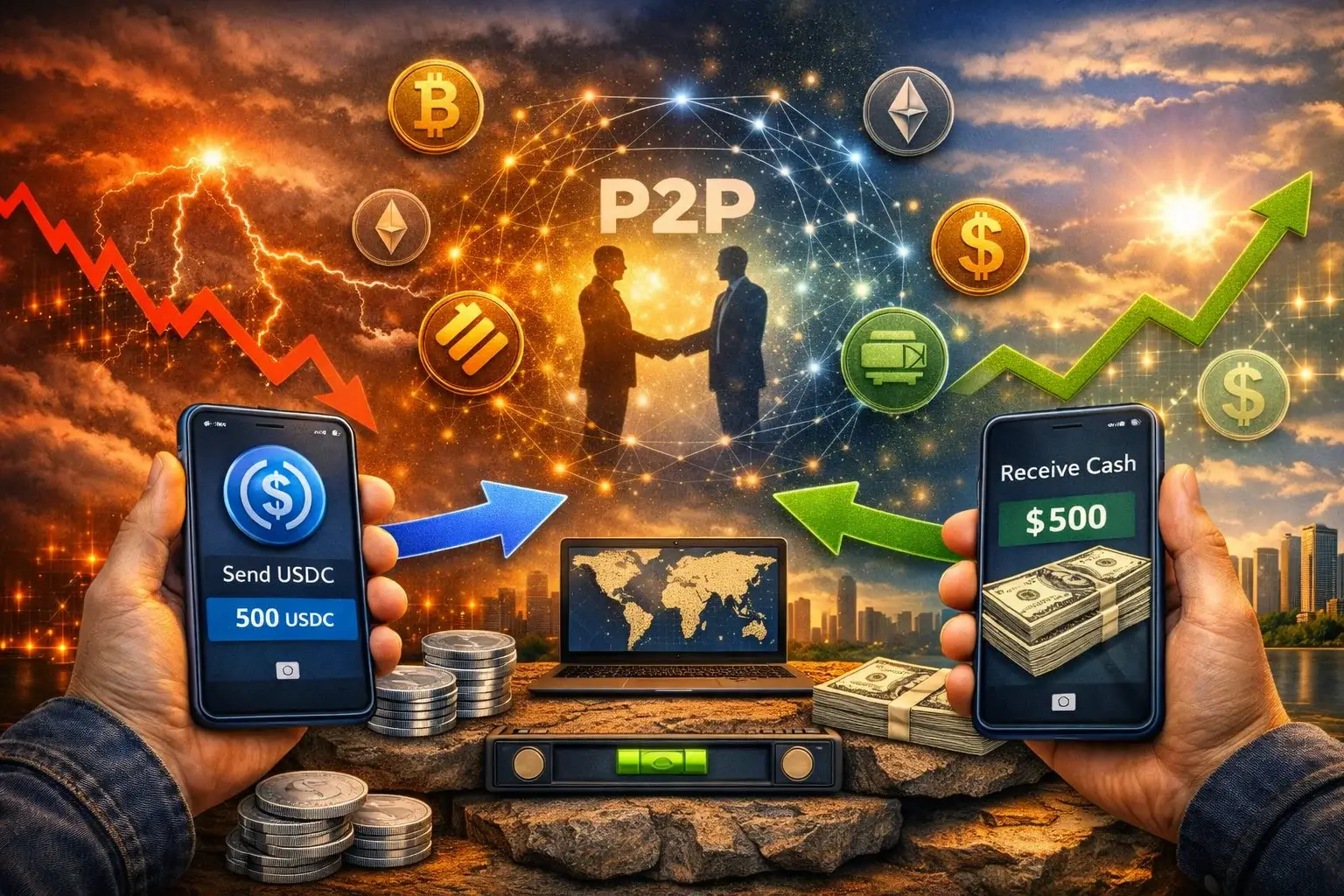
One of the most important uses of decentralized applications is global money transfer.
Instead of relying on banks or traditional money transfer companies, money can be sent directly using cryptocurrencies, offering:
- Lower fees
- Faster transfers
- No banking complexities
How Does AltraPay Contribute to This Shift?
AltraPay provides a platform that combines ease of use with the power of decentralized technology, offering:
- Direct transactions without intermediaries
- Support for global transfers
- The ability to use trusted providers when needed
- Full control for users over their funds and private keys
Conclusion
Decentralized applications are not just a new technology; they represent a real transformation in the concept of money.
As adoption grows, they are expected to become an essential part of the global financial system, especially in payments and money transfers.